
20 0 comments
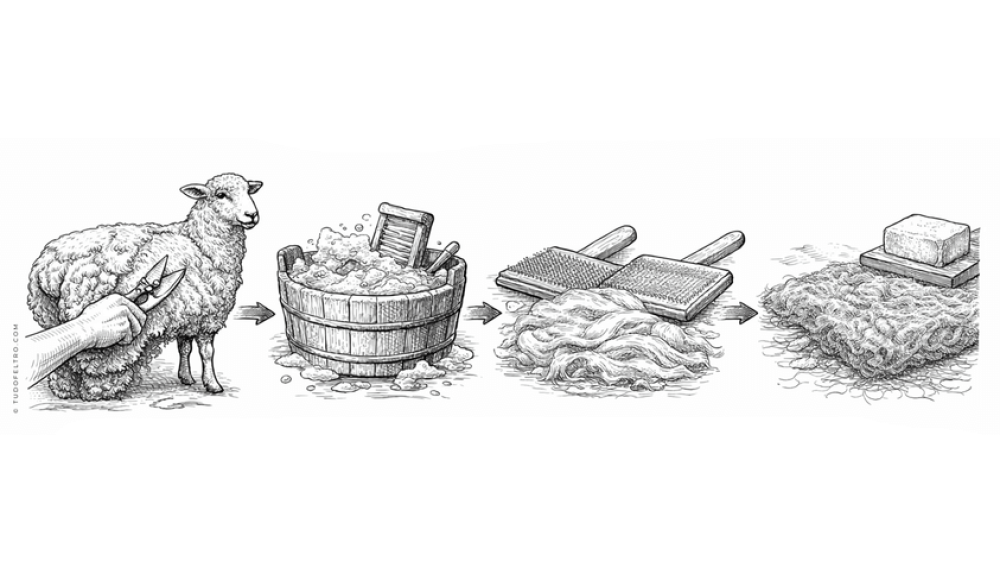
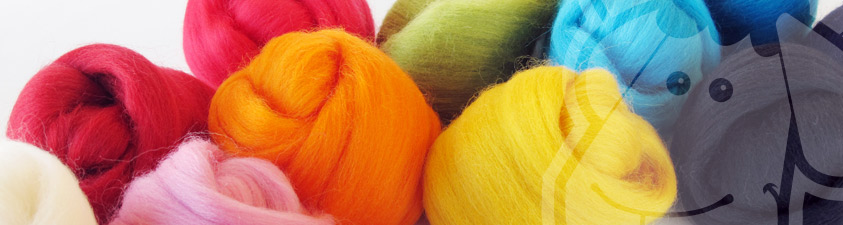
Merino wool is one of the finest and softest types of sheep’s wool, and it is the base of many felting projects. In this guide, we explain what makes it different, what microns mean, and which type to choose for your work. At the end, we also tell you where to find it in Portugal.
What is merino wool?
Merino wool comes from the merino sheep, a breed of Iberian origin that is now raised mainly in Australia, New Zealand, South Africa and South America. Its fibres are very fine, crimped and elastic.
This is what gives merino wool its soft feel and makes it so easy to felt: the fibres naturally bind together with a felting needle or with water and soap.
In this guide, we are talking about unspun wool, in roving or batt form, ready for felting. It is not knitting yarn or finished clothing.
What are microns?
Microns measure the thickness of the fibre: one micron is one thousandth of a millimetre. The lower the number, the finer and softer the wool.
| Wool | Microns | Form |
|---|---|---|
| Extra fine Australian Merino | 19 | Combed, in roving |
| European Merino | 22 | Combed, in roving |
| European Merino | 24 to 27 | Combed, in roving |
| New Zealand Merino | 24 to 27 | Carded, in batt form |
Combed merino wool: the most versatile choice
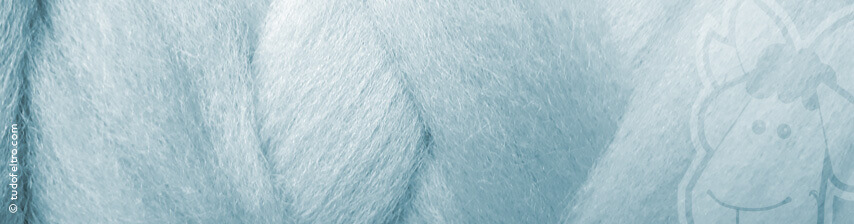
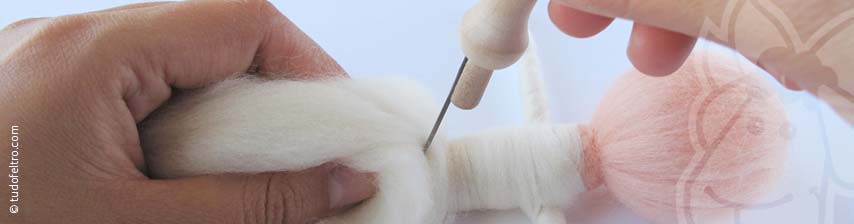
In combed wool, the fibres are long and aligned in a continuous roving with a soft feel. It felts in a controlled way, one needle stroke at a time, making it a good option for fine details and for beginners.
It can be used for all felting techniques:
- Needle felting (dry felting)
- Wet felting with water and soap
- Nuno felting
It can also be used in weaving, giant macramé, maxi crochet and XXL knitting.
What about carded wool?
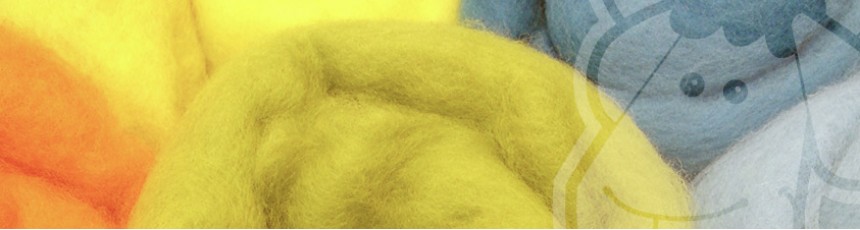
In carded wool, the fibres are loose and crossed in different directions, forming a batt. It is ideal for needle felting and can also be used for wet felting or spinning.
Which merino wool should you choose?
| What you want to make | Suggested wool |
|---|---|
| Fairies, flowers and colourful pieces with fine details | Combed European Merino, 24 to 27 microns |
| Wet felting, Nuno felting and pieces worn close to the skin | Extra fine combed Australian Merino, 19 microns |
| Building volume in 3D figures | Carded wool |
| Trying several colours | Wool packs |
How much does merino wool cost?
The price depends on the weight. At tudofeltro.com, you can choose the colour and weight, and the price is shown accordingly.
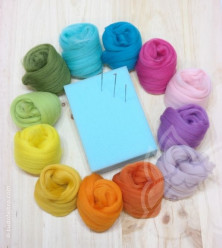
If you want several colours in small quantities, wool packs are the easiest option.
Where to buy merino wool in Portugal
At Tudo Feltro®, you can find combed merino wool, carded wool and wool flakes. Our wool is 100% organic and is produced according to the Oeko-Tex® Standard 100.
See all types of wool at tudofeltro.com/en-gb/wool-for-felting-and-spin .
Frequently asked questions
Is merino wool itchy?
Less than many other types of wool. The finer the fibre, the softer it feels.
Can I use merino wool for baby toys?
Yes. Our wool is natural and complies with Oeko-Tex® Standard 100, making it suitable for toys and accessories for babies and children.
Is it the same wool used in merino clothing?
The fibre is the same. In clothing, it is spun into yarn and woven or knitted; here it comes unspun and ready for felting.
Which wool should I buy as a beginner?
Combed wool in a pack with several colours. If you are just getting started, you may also want to read Needle Felting Made Easy: The Essential Guide for Beginners .
Tags:Merino WoolFeltingWool for FeltingNeedle FeltingWet FeltingCombed WoolCarded WoolFelting Materials
Related Products
97% Claimed
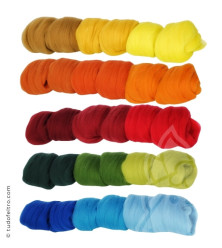
WOOL PACK - 15 COLORS (Tops Sliver) | 300 g
29,25€ 32,50€
-100x100.png)
Opportunity!

Latest


Related Article
Como começar a feltrar sem gastar muito dinheiro?
Neste artigo, vais aprender como te iniciar a feltragem sem gastar muito dinheiro. Desde opções ace..
Write a comment