
Unlock Your Knowledge!
ESSENTIAL GUIDE TO
WET FELTING
Learn how to turn loose fibres into handmade felt with water, soap and movement.
From materials to your first projects — step by step.
Contents
What you will learn
What is it?
The foundation of wet felting
Felting with water and soap, also known as wet felting, is a handmade technique in which wool turns into felt through the combination of warm water, soap and manual friction.
As the fibres are moistened, pressed and rubbed, they begin to interlock and compact, creating a strong, flexible and durable textile surface.
With this technique you can create clothing, fashion accessories, decorative objects, rugs, footwear and many other useful and artistic pieces.

The essentials
Materials to get started
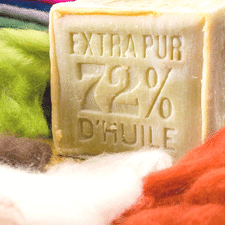
To begin wet felting, you only need a few materials: wool suitable for felting, warm water, soap and a working surface such as bubble wrap or a bamboo mat.
Optionally: mesh, spray bottle, towels, plastic resists, decorative fibres and tools that help you control the process more easily.
View Materials >The Fibres
Types of wool & fibres
Choosing the right fibre affects the texture, strength, felting speed and final finish of your piece.
- M
Merino Wool
Soft · VersatileOne of the most popular wools for wet felting. It felts easily, has a soft touch and is ideal for accessories, garments, flowers and pieces with a delicate finish.
- 19
Merino Wool · 19 Microns
Extra Fine · PremiumA finer, lighter and more elegant option. Excellent for nuno felting, scarves, collars and garments with better drape, softness and comfort against the skin.
- C
Carded Wool
Volume · StructureIdeal for pieces with more body and thickness. Commonly used in 3D felt, hollow felt, footwear, bags and decorative objects that need more firmness and volume.
- W
Washed Wool
Natural · OrganicPerfect for rustic effects, organic surfaces and projects with a natural character. It can be used to add texture, enrich backgrounds and create more handmade finishes.
- F
Decorative Fibres
Shine · Texture · EffectSilk, viscose and other speciality fibres help create shine, depth and visual detail. They are ideal for enriching surfaces, highlighting patterns and giving pieces a more premium look.
Step by Step
Your first piece
The best project to start with is a small flat felt sample. It is simple, quick and helps you understand how the fibres behave.
-
Prepare the surface
Place bubble wrap, a mat or a waterproof base on the table. Keep towels nearby to manage moisture.
-
Lay out the wool in layers
Create a first layer in one direction and a second layer crossing it. This layout gives the felt more strength and stability.
-
Wet with water and soap
Dampen the wool with warm water and soap. The piece should be thoroughly wet, but without excess standing water.
-
Set the fibres
Cover with mesh or thin plastic and begin with gentle pressure to prevent the design from shifting at the start.
-
Rub and shrink
Rub, roll and turn the piece regularly. As you work, the felt becomes more compact, firm and cohesive.
-
Rinse and dry
Once the fibres are well bonded, rinse out the soap, adjust the shape and let it dry naturally.
Basic Techniques
The foundations of wet felting
These four approaches are the basis for creating fabrics, useful pieces, decorative objects and more advanced projects with water and soap.
★ Flat Felt · 2D
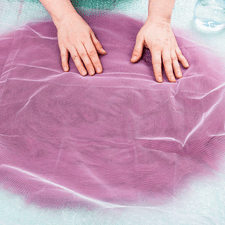
The easiest way to begin. Ideal for samples, panels, flowers, decorative bases and textile surfaces. It teaches how fibres cross, shrink and compact.
★ 3D Felt
Lets you build volume and create shapes with presence, thickness and structure. Widely used in artistic pieces, decorative elements and sculptural projects.
★ Hollow Felt
Made with the help of a resist, it allows you to create seamless pieces with internal space. It is the ideal technique for bags, hats, slippers and decorative containers.
★ Nuno Felting
Combines wool with fabric, usually silk, creating light, elegant pieces with sophisticated texture. Excellent for scarves, collars, garments and flowing accessories.
Tips & Tricks
Techniques for better results
Small adjustments make a big difference in the final look, felt firmness and ease of the process.
▸ Work in thin layers
Lighter layers felt better, dry faster and create more even surfaces. Too much wool makes the process harder.
▸ Control the water
Too much water slows felting down. The piece should be damp and soapy, but not soaked.
▸ Turn and check
Turn the piece often to keep shrinkage even. This helps avoid thinner or distorted areas.
▸ Test before finishing
Gently pull the fibres. If they still lift easily, the piece needs more rubbing and compaction.
Attention!
Common mistakes and how to avoid them
???? Too much water
When the wool is floating, the fibres do not bind properly. Remove the excess and continue working with controlled pressure.
???? Too much wool
Layers that are too thick make felting slow and uneven. It is better to build the piece gradually.
↔️ Fibres in the same direction
If you do not cross the layers, the felt becomes weak and unstable. Alternating fibre direction is essential.
⚠️ Too much pressure too soon
If you rub too hard before the piece is set, the fibres may shift and distort the design.
???? Ignoring shrinkage
Felt shrinks a lot during the process. Always plan your project slightly larger than the desired final size.
⏳ Lack of patience
Wet felting requires rhythm and time. The secret lies in repeating the movements and observing the material.


About the Author
Ready to Felt?
Start your journey
Visit the shop and find merino wool, carded wool, washed wool, decorative fibres, soap and all the essential materials for wet felting.